
close
Choose Your Site
Global
Social Media


Views: 0 Author: Site Editor Publish Time: 2025-12-17 Origin: Site


Railway maintenance is essential for ensuring the safety and efficiency of rail transport. One of the most critical maintenance activities is tamping, which plays a pivotal role in maintaining the track’s stability, alignment, and performance. The importance of tamping cannot be overstated, as it directly impacts the durability of the railway infrastructure. In this article, we will delve into the concept of tamping on the railway, its significance, the process involved, and the technology behind hydraulic turnout tamping machines, which are increasingly used for this task.
Tamping is a process used in the maintenance of railway tracks to restore or maintain the alignment and geometry of the tracks. It involves compacting the ballast (the layer of crushed stone beneath the track) to ensure that the railway track remains stable and secure. Over time, railways experience wear and tear due to the constant movement of trains, weather changes, and vibrations, causing the ballast to settle and shift. This can result in track misalignment and uneven surfaces, which can affect the safety and efficiency of train operations.
Tamping is necessary to correct these issues by realigning the track, raising it to the correct level, and compacting the ballast to provide a stable foundation. The process ensures that the track remains in its optimal position and is capable of supporting the weight and movement of the trains that pass over it.
Tamping is an essential aspect of railway maintenance that ensures the stability and safety of the track system. Over time, the track and ballast (the gravel or crushed stone that supports the track) can experience wear and settlement due to the repeated pressure of passing trains, weather conditions, and natural forces. When ballast becomes compacted or displaced, it can cause the track to misalign, which can significantly affect both the safety and performance of the railway. Proper tamping restores the track's integrity and ensures smooth and reliable train operations.
Here are some key reasons why tamping is so crucial:
If the ballast beneath the track is not properly compacted, the track can shift or sink, leading to instability. Misaligned tracks can result in an uneven track structure that is not adequately supported, increasing the risk of derailments or accidents. Tamping restores the track to its correct height and alignment, ensuring that it remains stable under the weight and pressure of the trains.
When the track is not properly tamped, the ballast becomes loose, causing the track to sag or become uneven. This can lead to uneven surfaces that cause irregular wear on train wheels and rails. Over time, this accelerates the deterioration of the track and increases maintenance costs. Proper tamping helps distribute the weight of passing trains more evenly, thereby reducing wear and prolonging the lifespan of both the track and the trains.
An improperly tamped track can also lead to excessive vibrations. These vibrations can cause discomfort for passengers and, more importantly, can damage the trains themselves. Vibrations can lead to loosening of bolts, cracks in the tracks, and other structural issues that can ultimately lead to train malfunctions or delays. Tamping helps eliminate these vibrations by ensuring the track is securely in place, providing a smoother, more comfortable ride for passengers.
Proper tamping restores the correct track geometry, ensuring that the track is level and aligned. This enhances the overall efficiency of the railway system, reducing disruptions and improving the safety and comfort of travel. When the track is tamped correctly, it can better handle the stress and strain of frequent train movements, ensuring long-term reliability and optimal performance of the rail system.
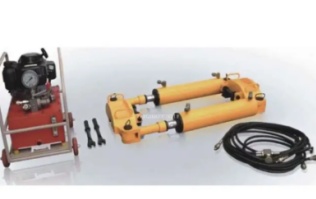
The tamping process involves several key steps to achieve optimal track alignment and ballast compaction:
Before tamping can occur, the track must first be lifted to the required height. Over time, tracks can sink or settle due to the weight of passing trains and the shifting of the ballast. Special lifting devices are used to elevate the track to its correct position.
Lifting the track ensures that the track geometry is restored and that the entire track section is properly aligned. This is a critical first step in the tamping process, as it sets the stage for proper compaction.
Once the track is lifted, the next step is tamping. Tamping is the process of compacting the ballast beneath the track to ensure the track remains stable and well-aligned. This is typically done using a tamping machine equipped with hydraulic mechanisms.
A hydraulic tamping machine uses powerful vibratory tools to tamp the ballast, compacting it tightly beneath the rail ties (the wooden or concrete supports that hold the rails in place). This process ensures that the ballast is securely packed and that the track is firmly held in its correct position.
The tamping machine moves along the track, working in increments, to ensure uniform compaction along the entire track length. The machine typically uses a set of vibratory tools that operate at high frequencies, which helps settle the ballast effectively.
After tamping, the track is further adjusted and aligned to ensure that the rails are at the correct gauge (the distance between the two rails) and level. This step is necessary to ensure that the track is stable and aligned in both horizontal and vertical directions.
Track shifting is often necessary to correct any deviations in the track alignment, such as curves or shifts caused by erosion or wear. Hydraulic shifting tools are used to move the track laterally or vertically, ensuring the track is positioned accurately and remains stable.
Once the track has been shifted and aligned, a final round of compaction is performed to ensure that the ballast is fully settled. This step involves applying additional pressure to the ballast to further compact it, ensuring long-term track stability.
The final compaction also helps lock the ballast in place, preventing future shifts or movements that could affect the track's alignment.
Traditional tamping was a labor-intensive process requiring manual work or simple mechanical machines. However, with the development of hydraulic turnout tamping machines, the process has become much more efficient and precise. These advanced machines are equipped with hydraulic mechanisms that allow for greater control and force, ensuring more effective tamping and alignment.
Hydraulic turnout tamping machines are specifically designed to handle the demands of tamping railway tracks, particularly in switch and turnout areas, which are more complex due to the track’s configuration. These machines combine the functions of track lifting, tamping, alignment, and compaction into one piece of equipment, making them highly efficient.
Track Lifting: The machine uses hydraulic jacks to lift the track to the desired height, compensating for track settlement and misalignment.
Tamping Mechanism: The machine’s tamping tools vibrate at high frequencies, allowing them to penetrate the ballast and compact it securely beneath the track. The hydraulic system provides the necessary force to compact the ballast effectively.
Track Alignment: In addition to tamping, these machines also feature track alignment tools that ensure the track is positioned correctly in both horizontal and vertical directions.
Efficiency: The hydraulic system allows for precise control, reducing the time needed for tamping and increasing the machine’s efficiency. Hydraulic tamping machines can work on both mainline and turnout tracks, making them versatile tools for railway maintenance.
Precision and Accuracy: Hydraulic tamping machines offer greater precision in track alignment and compaction, reducing human error and improving the quality of the final result.
Increased Efficiency: These machines are faster and more efficient than traditional methods, allowing railway operators to complete maintenance tasks in less time, minimizing track downtime.
Versatility: Hydraulic turnout tamping machines can be used in various track configurations, including complex turnout areas, where traditional tamping methods may struggle.
Cost-Effective: By reducing the time and labor required for track maintenance, hydraulic tamping machines help cut down on costs, while also extending the lifespan of the track.
At Tangshan Kuntie Technology Co., Ltd., we specialize in designing and manufacturing high-quality hydraulic turnout tamping machines that meet the needs of modern railway infrastructure. Our machines are built for precision, efficiency, and durability, ensuring optimal track performance and safety.
Tamping is a critical part of railway maintenance that ensures the safety, stability, and efficiency of the railway track. The process of lifting, tamping, aligning, and compacting the ballast beneath the track helps maintain track geometry, ensuring smooth and safe train operations. Hydraulic turnout tamping machines have revolutionized this process by providing more precise, faster, and cost-effective solutions.
At Tangshan Kuntie Technology Co., Ltd., we understand the importance of maintaining the integrity of railway tracks. Our hydraulic turnout tamping machines are designed to provide optimal performance in track maintenance, helping ensure that the infrastructure remains in excellent condition.
If you are looking for efficient, reliable, and advanced solutions for your railway maintenance needs, we encourage you to explore more about our products and contact us for personalized assistance. We are here to help you ensure that your railway systems remain safe, stable, and ready for the demands of modern transportation.


