
close
Choose Your Site
Global
Social Media


Views: 0 Author: Site Editor Publish Time: 2026-02-12 Origin: Site


Rail assets represent one of the largest long-term investments in any railway network. Every maintenance decision affects budgets, safety margins, and service reliability. The financial question behind rail grinding vs. rail replacement is not about choosing one technique over the other blindly, but about timing and cost efficiency. By applying cost analysis, operators can decide when rail grinding delivers the highest value and when replacement becomes a planned, end-of-cycle investment. This article breaks down costs, life-cycle impacts, and return on investment from a practical, data-driven perspective aligned with Google’s EEAT principles.
Railway maintenance costs fall into two main financial categories. Operating expenditure covers recurring activities that keep assets performing as intended. Capital expenditure involves large, infrequent investments that renew or replace assets entirely. This distinction matters because it shapes how budgets are approved and measured. Operating expenses are usually easier to justify annually, while capital projects compete for long-term funding. Understanding this framework helps explain why maintenance strategies that extend asset life often receive stronger internal support.
Rail grinding sits firmly within operating expenditure. It is planned, repeatable, and predictable. By removing a thin surface layer, it controls wear patterns and slows defect growth. This approach spreads maintenance costs evenly over time. Instead of facing sudden financial shocks, operators maintain steady spending levels. From a financial planning view, rail grinding converts potential future capital costs into manageable annual expenses. That stability is a major advantage for network-wide asset management.
Rail replacement is a capital commitment that resets the asset life cycle. It involves materials, labor, logistics, and extended track possession. These projects often require multi-year planning and external approvals. While replacement delivers a like-new asset, the upfront cost is substantial. For finance teams, the challenge is justifying this investment when preventive options still exist. Cost analysis helps determine whether replacement is truly necessary or if rail grinding can continue delivering value.
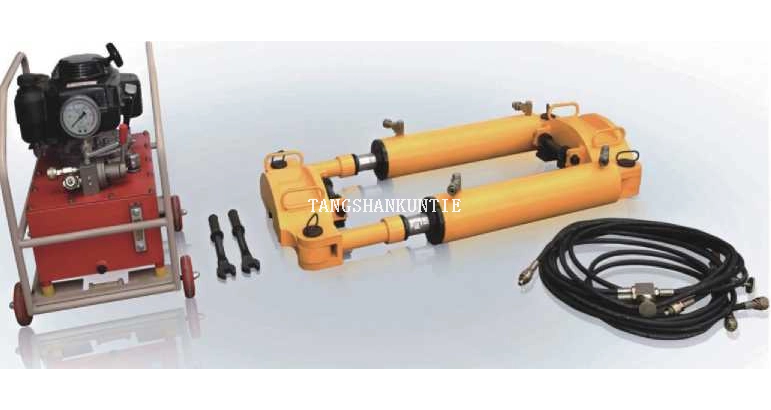
Per-mile rail grinding costs become clearer when broken down into technical activities, resource inputs, and planning factors. This structured view helps operators understand where money is spent, how costs scale with traffic and rail condition, and why preventive grinding remains economically stable over long service periods.
Cost Category | Application Scenario | Technical Indicator | Typical Value Range | Unit | Practical Notes |
Grinding Method | Preventive profile maintenance | Grinding pass type | Light / Multi-pass | — | Preventive grinding uses light, repeated passes |
Equipment Type | Large grinding train | Operating speed | 5–15 | km/h | Higher speed lowers cost per mile on mainlines |
Equipment Type | Small or modular grinder | Operating speed | 1–5 | km/h | Used for localized or complex track sections |
Metal Removal | Surface defect control | Material removed per cycle | 0.05–0.15 | mm | Maintains rail head without reducing wear life |
Labor Input | Operation and safety | Crew size | 6–12 | persons | Includes operators, safety staff, and supervisors |
Energy Consumption | Grinding operation | Energy use | 20–40 | kWh/mile | Varies by grinder size and rail hardness |
Consumables | Grinding stones / wheels | Stone wear | 0.8–1.5 | kg/mile | Harder rail steels increase stone consumption |
Traffic Influence | Cost adjustment factor | Annual gross tonnage | 10–60 | MGT/year | High-tonnage lines require more frequent grinding |
Planning & Inspection | Pre-grinding assessment | Survey cost share | 5–10 | % of total | Includes inspection, logistics, and scheduling |
Total Preventive Cost | Program baseline | Cost per track mile | 1,900–6,000 | USD/mile | Commonly cited preventive grinding range |
Cost Comparison | Replacement reference | Rail replacement cost | 275,000–550,000+ | USD/mile | Highlights large cost gap versus grinding |
Tip:Keeping metal removal per pass low is key to cost control. Light, frequent grinding minimizes consumable wear and energy use while delivering better long-term economic performance than infrequent heavy grinding.
Rail replacement costs are measured in hundreds of thousands of dollars per mile. Beyond new rail materials, costs include removal, installation, ballast work, welding, and quality testing. Traffic disruption adds indirect financial pressure. Night work, detours, and reduced capacity increase operational complexity. When viewed holistically, replacement costs extend well beyond the invoice price. This reinforces why operators treat replacement as a strategic milestone rather than a routine solution.
Early and consistent rail grinding delays the point at which replacement becomes unavoidable. By addressing surface defects before they propagate, grinding slows structural degradation. Each delayed replacement cycle represents deferred capital spending. Over a large network, these deferrals can add up to millions in preserved capital. Cost analysis repeatedly shows that modest annual grinding investments protect against massive future outlays.
Rail life is not defined only by age, but by condition. Rail grinding improves contact geometry and reduces stress concentrations. This slows fatigue accumulation and wear progression. Over time, rails remain within acceptable limits for longer periods. Life-cycle models often show that grinding can double usable rail life under comparable traffic conditions (data to be verified). This extension directly lowers average annual cost per mile.
From an accounting perspective, extending asset life reduces annual depreciation. Optimized grinding intervals distribute wear evenly and avoid sudden condition drops. Instead of rapid value loss, assets depreciate gradually. This smoother depreciation profile aligns better with long-term financial forecasts. It also improves reported asset performance metrics, which matter for public agencies and investors alike.
Total cost of ownership includes maintenance, downtime, and eventual replacement. When comparing strategies over ten or twenty years, rail grinding consistently lowers cumulative cost. Replacement resets life but introduces financial spikes. Grinding smooths costs and reduces peaks. Life-cycle cost analysis therefore favors preventive maintenance as the foundation of cost control, with replacement reserved for clearly defined thresholds.
The strongest ROI driver for rail grinding is avoided replacement. Each year of extended service delays capital expenditure. When discounted over time, these avoided costs significantly outweigh grinding expenses. Financial models often show high internal rates of return for preventive grinding programs (data to be verified). This makes grinding not just a maintenance activity, but a strategic investment decision.
When rail grinding is applied consistently at network scale, its economic impact compounds. Slower defect growth reduces the occurrence of broken rails, temporary speed restrictions, and reactive maintenance mobilizations. This allows maintenance crews and equipment to be deployed in planned sequences rather than urgent call-outs. Over time, inspection data becomes more stable, defect backlogs shrink, and work volumes even out across regions. These effects lower indirect costs such as logistics, contractor premiums, and coordination effort.
Rail grinding supports predictable spending by converting uncertain corrective work into scheduled preventive activity. Annual grinding programs can be costed accurately based on route length, traffic class, and planned cycles. This predictability improves cash flow planning and reduces contingency allocations. Finance teams gain clearer visibility of future obligations, while engineering teams can secure resources in advance. Together, this alignment strengthens long-term investment planning and reduces financial risk across the rail organization.
Rail grinding limits disruption by shortening possession times and reducing the frequency of emergency interventions. Preventive grinding is usually scheduled during routine maintenance windows, avoiding extended closures associated with rail replacement. By controlling surface defects early, grinding lowers the risk of sudden failures that trigger unplanned outages. Fewer service interruptions protect timetable integrity and freight throughput, which directly supports revenue continuity and contractual performance commitments across busy rail networks.
Rail grinding improves wheel–rail contact conditions by restoring designed profiles and reducing dynamic forces. Smoother contact lowers wheel impact loads, flange wear, and vibration levels transmitted to bogies and suspension systems. As a result, wheel reprofiling intervals extend and component fatigue slows. These effects reduce workshop demand, spare part consumption, and downtime for vehicles, delivering measurable savings that complement track maintenance investments.
High-traffic corridors experience accelerated wear due to frequent axle loading and high contact stress. Regular rail grinding moderates this wear by maintaining consistent surface geometry and limiting defect growth rates. Instead of facing escalating corrective work, operators achieve stable maintenance cycles and predictable costs. This stability supports reliable operations, reduces financial volatility, and enables long-term planning for corridors that carry the highest service and revenue impact.
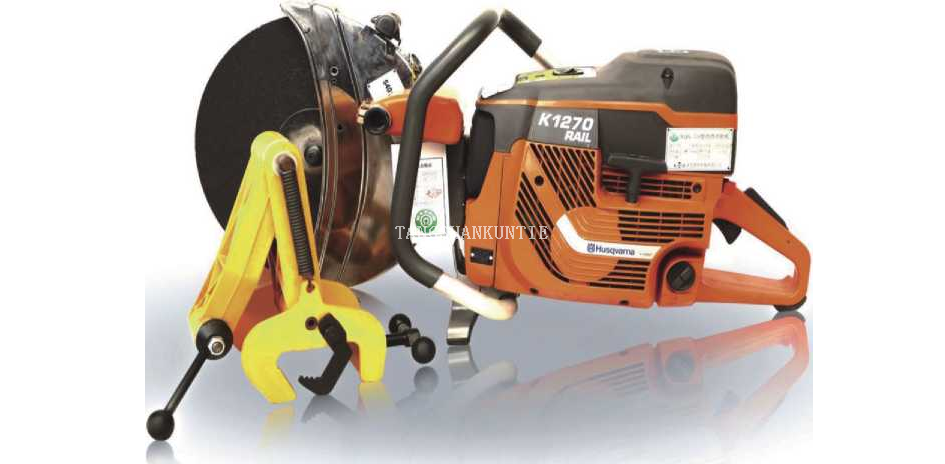
When rail grinding is embedded into asset management, decisions move from reactive fixes to measurable, planned actions. Linking condition data, operational limits, and financial targets allows teams to schedule grinding where it delivers the highest technical and economic return, while keeping performance transparent across departments.
Asset Management Dimension | Practical Application in Rail Grinding | Key Technical Indicators | Typical Values / Ranges* | Units | Implementation Notes |
Rail Condition Monitoring | Use inspection data to trigger grinding decisions | Head wear depth, surface crack depth (RCF), corrugation amplitude | Head wear: 0.3–1.5; RCF crack depth: ≤0.3; corrugation: 0.05–0.3 | mm | Grinding is most effective when initiated before surface cracks exceed shallow depth thresholds |
Traffic Loading Assessment | Align grinding frequency with axle loads and traffic | Annual gross tonnage (AGT), axle load | AGT: 10–60; Axle load: 20–35 | MGT/year, tonnes | Higher tonnage corridors require shorter grinding intervals |
Grinding Interval Planning | Define optimal cycles based on wear rate | Grinding interval | 6–18 | months | Intervals shorten on curves and heavy-haul lines |
Material Removal Control | Limit metal removal to extend rail life | Metal removed per pass | 0.05–0.15 | mm/pass | Prevents excessive loss of rail head material |
Profile Management | Maintain target wheel–rail contact geometry | Rail profile tolerance | ±0.2 | mm | Consistent profiles reduce contact stress peaks |
Cost Allocation | Integrate grinding into annual OPEX planning | Grinding cost per track mile | 1,900–6,000 | USD/mile | Enables predictable maintenance budgeting |
Life-Cycle Tracking | Measure impact on rail service life | Rail life extension factor | 1.5–2.0 | multiplier | Regular grinding can significantly delay replacement |
Cross-Department Coordination | Align engineering and finance decisions | Planned vs unplanned work ratio | ≥80 planned | % | Higher planned share indicates mature asset management |
Performance Validation | Verify outcomes after grinding | Noise level reduction, defect growth rate | Noise: −3 to −8; Defect growth: −30 to −60 | dB(A), % | Confirms technical and operational benefits |
Tip:For best results, link grinding triggers to measurable condition thresholds rather than fixed calendars. This ensures maintenance spending directly follows asset health, improving both technical outcomes and financial accountability.
Economically optimal grinding frequency is driven by measurable wear and fatigue indicators rather than fixed calendars. Traffic load expressed in annual gross tonnage defines how fast surface damage accumulates, while curve radius and cant deficiency influence contact stress distribution. Rail steel grade and hardness further affect crack initiation rates. By combining these parameters, maintenance teams can set grinding intervals that remove defects before they accelerate, while minimizing unnecessary metal loss. This approach stabilizes unit cost per mile and maximizes usable rail life across different operating environments.
Effective maintenance spending supports network-wide performance targets, not isolated technical metrics. Rail grinding contributes directly to reliability by reducing defect-related slow orders and unplanned interventions. Safety performance improves through consistent surface condition and reduced fatigue growth. From a cost perspective, predictable grinding cycles smooth annual budgets and reduce capital pressure. When grinding plans are tied to measurable outcomes such as defect rates, availability, and lifecycle cost, stakeholders gain confidence that maintenance spending delivers system-level value.
This article shows that rail grinding delivers clear cost advantages over rail replacement by extending rail life, reducing disruptions, and improving budget predictability. As a preventive strategy, it transforms large capital shocks into manageable operating expenses while supporting safety and reliability goals. Replacement remains necessary, but only as a planned, end-of-cycle decision guided by data. With specialized rail grinding equipment and professional service capabilities, Tangshan Kuntie Technology Co., Ltd. helps rail operators achieve cost-efficient maintenance, protect long-term asset value, and maintain stable network performance.
A: Rail Grinding is preventive maintenance that controls wear and delays expensive rail replacement.
A: Rail Grinding costs far less per mile and avoids large capital spending on replacement.
A: Rail Grinding removes surface defects early, slowing fatigue and prolonging service life.
A: Rail replacement is used when Rail Grinding can no longer restore safe rail conditions.
A: Rail Grinding creates predictable annual costs and reduces unexpected maintenance expenses.


