
close
Choose Your Site
Global
Social Media


Views: 0 Author: Site Editor Publish Time: 2026-05-12 Origin: Site


Rail operators face immense pressure today. Maintenance windows keep shrinking every year. Meanwhile, manual labor costs steadily rise across the sector. Traditional track gangs demand high headcount and long shifts. They slow down revenue-generating transit significantly. The industry needs a faster, leaner approach. We are seeing a major shift toward specialized, mechanized attachments.
This guide explores the financial and operational impacts of compact equipment. Procurement managers and engineers will discover proven frameworks for evaluating fleet upgrades. You will learn how automation boosts efficiency, reduces hazard exposure, and drives better returns. We provide clear evidence for transitioning away from heavy manual labor. Small machinery solves complex infrastructure challenges swiftly.
Transitioning from manual crews to mechanized solutions can reduce specific task labor requirements by up to 50-80% (e.g., downsizing a 10-person crew to 1-2 operators).
Implementing lean maintenance frameworks utilizing automated attachments drastically reduces track dwell time and unexpected downtime.
Proactive mechanization typically yields a positive ROI within 2–5 years when evaluating comprehensive cost metrics, especially when legacy equipment availability drops below 85%.
Small machinery minimizes human exposure to crushing and lifting hazards, indirectly lowering insurance and compliance costs.
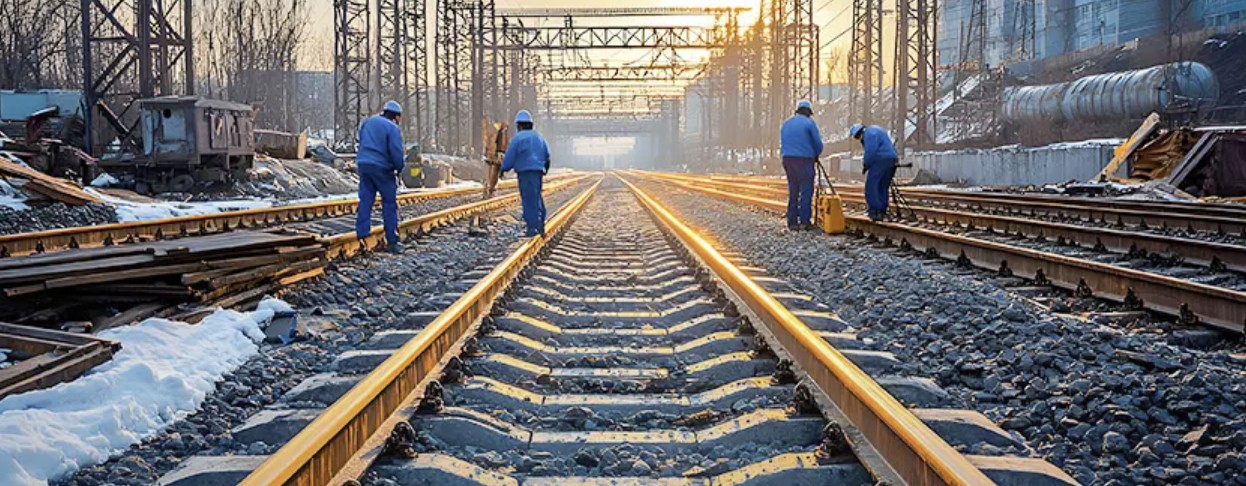
Proactive maintenance models always save money. Reactive repairs cost exponentially more per mile. Emergency manual interventions disrupt train schedules heavily. You lose revenue during unplanned track closures. Routine mechanized upkeep prevents these costly emergency spikes. It keeps the network running predictably. We often see post-failure repair costs dwarf planned maintenance budgets.
Large manual crews inherently slow down work cycles. You must transport, brief, and stage dozens of workers. They consume valuable track time rapidly. Track time means revenue in rail operations. Relying on manual labor stretches out maintenance schedules. Mechanized tools compress this time effectively. You reclaim revenue-generating transit windows faster.
We can apply Lean production principles here. Lean frameworks target specific process inefficiencies. Identify Type I and Type II waste easily. Type I waste includes unavoidable delays like tagging bad cars. Type II waste involves directly avoidable actions. Time spent manually aligning sleepers represents Type II waste. Repetitive visual inspections also waste skilled labor. Automation eliminates these inefficiencies directly.
Operational Factor | Manual Track Upkeep | Mechanized Maintenance |
|---|---|---|
Labor Requirement | High (8-12 workers per gang) | Low (1-2 operators) |
Work Speed | Slow and physically exhausting | 3-4 times faster per shift |
Waste Category | High Type II Waste (rework, delays) | Minimal waste, precise execution |
What exactly are these mechanized tools? We categorize them as specialized compact attachments. They include excavator tools and localized tamping units. Many feature 360-degree rotating sleeper changers. These units attach directly to existing host machines. Utilizing small railway maintenance machinery transforms rail operations entirely. They handle heavy materials effortlessly. You gain immense control over track repairs.
Let us illustrate the mathematical impact directly. A traditional manual track gang needs about ten people. They lift, align, and tamp manually. Hydraulic precision changes this math completely. You only need one excavator operator and a single spotter. These two individuals perform the work of an entire gang. This downsizes headcount rapidly. You cut direct labor expenses instantly.
Mechanized tools excel at repetitive tasks. They extract sleepers smoothly. They clear ballast without tiring. These units work 3 to 4 times faster than human hands. Automatic alignment features guide sleepers directly into the ballast. You no longer need workers using pry bars. This speed condenses multi-night projects into a single shift. You return tracks to service much earlier.
Fleet managers face budget constraints constantly. You cannot buy separate heavy machines for every single task. We recommend equipping hi-rail excavators smartly. Use quick hitches for specialized attachments. This strategic approach boosts fleet utilization. You switch from a clamp bucket to a rock bucket easily. Your existing fleet becomes highly versatile.
Let us examine a high-efficiency application. Consider the rail gap adjuster closely. It corrects rail gaps using hydraulic pressure safely. Traditional methods require hazardous manual levering. Workers risk severe strain pulling tracks together manually. This tool replaces dangerous physical exertion entirely. It aligns sections swiftly and securely. We see immediate safety improvements upon implementation.
Modern attachments feature intelligent gripping mechanisms. They adjust pressure based on material types automatically. You can handle concrete, wood, or modern composite materials safely. The four-claw gripping systems prevent surface damage. They hold heavy items securely during transit. This protects the structural integrity of your infrastructure. You avoid costly material breakages during installations.
Procurement needs a clear financial threshold. We recommend the 15-20% upgrade rule. Calculate your annual operating and repair costs for legacy methods. Do they exceed 15-20% of new machinery replacement value? If so, purchasing new equipment is financially justified. Upgrading creates predictable returns quickly. You stop throwing money at obsolete tools.
Equipment uptime dictates operational success heavily. Legacy machine uptime often falls below 85%. When this happens, hidden costs accumulate rapidly. You face growing maintenance backlogs. Workers sit idle waiting for machine repairs. These delays destroy project profitability. You spend money fixing machines instead of fixing tracks.
Evaluating options requires careful diligence. When browsing railway maintenance equipment for sale, use a systematic approach. A structured review prevents costly procurement errors. Ensure every new tool matches your existing fleet capabilities perfectly.
Check hydraulic flow requirements. Ensure compatibility across your primary host machines.
Verify spare parts availability. You need local access for rapid repairs.
Assess fleet integration. Attachments must connect seamlessly via standard quick hitches.
Review ergonomic controls. Better controls reduce operator fatigue immediately.
Mechanization requires initial capital expenditure. We call this CAPEX. You must balance this upfront cost against long-term operating expenses. Operating expenses are known as OPEX. Automated tools reduce OPEX predictably over time. You pay less for labor, overtime, and medical claims. The long-term savings heavily outweigh the initial price tag.
We must reframe safety discussions entirely. Safety is an economic metric, not just a regulatory hurdle. Mechanization removes workers from the immediate danger zone. They step away from heavy lifting and moving trains. This reduces fatigue-related accidents significantly. Fewer near-misses mean lower liability costs. Upgrading retrofits old manual equipment poorly. New machinery integrates modern ergonomic safeguards naturally.
Labor profiles are shifting dramatically across the industry. We are moving away from unskilled manual laborers. We now require skilled equipment operators. You must provide necessary training promptly. Proper training maximizes machinery output safely. Workers appreciate the transition from exhausting labor to machine operation. This shift improves employee retention rates as well.
Adopting mechanized rail tools goes beyond simple equipment upgrades. It represents a strategic shift toward lean track management. It makes operational budgets predictable and cost-efficient. You gain back valuable transit windows swiftly.
Automation reduces direct hazard exposure for your crews. It compresses multi-day repair projects into single shifts. The financial returns justify the initial capital investments clearly.
Take proactive steps today. Conduct a localized financial audit on your most labor-intensive tasks. Review your legacy equipment uptime metrics immediately. Initiate workforce training programs to prepare operators for hydraulic attachments. Start maximizing your track windows now.
A: ROI is typically achieved in 2 to 5 years. This timeframe depends heavily on track utilization and local labor rates. Mechanization drastically reduces shift hours and crew sizes. By replacing a 10-person gang with one machine operator, direct payroll drops immediately. Operational savings accumulate rapidly over multiple maintenance cycles.
A: Yes. Modern attachments feature 360-degree continuous rotation capabilities. They operate effectively parallel to the track. You need minimal clearance for these operations. Continuous rotation eliminates the need to constantly reposition the host excavator. This feature proves particularly valuable in tight tunnels or busy transit corridors.
A: No. Mechanization actually improves alignment quality. Modern hydraulic equipment provides superior, repeatable precision. It guides sleepers and rails directly into place. Human labor introduces variance and fatigue over long shifts. Machines maintain exact tolerances hour after hour. They eliminate the inconsistencies associated with manual pry-bar adjustments entirely.
A: Upgrading to modern machinery improves compliance significantly. Retrofitting old manual equipment to meet modern safety standards is often extremely expensive. New machinery arrives built natively equipped safety safeguards. They feature auto-locking grips and fail-safes. This proactive upgrade keeps your operations well ahead of strict local regulatory requirements.


