
close
Choose Your Site
Global
Social Media


Views: 0 Author: Site Editor Publish Time: 2026-03-19 Origin: Site


A ballast regulator is a machine that helps make railroad tracks safe. It moves and spreads the crushed stone under the tracks. This stone is called railroad ballast. The machine makes the track flat and even. This helps trains move smoothly and keeps the track strong. Knowing how this machine works is important for train safety.
The Federal Railroad Administration (FRA) says fixing ballast problems quickly is important. If you do not fix these problems, the track can get worse fast. This can make the track weak and unsafe. It can also make trains more likely to go off the track. The FRA says track inspectors should learn how to find and fix these problems. This is very important for keeping trains safe.
A ballast regulator moves and spreads ballast to keep tracks flat and safe.
Regular care with a ballast regulator stops track issues and makes trains safer.
Using a ballast regulator saves time and money by doing track work automatically.
Good ballast management helps water drain, keeps tracks steady, and lowers shaking for smoother rides.
Skilled workers make sure ballast regulators work well to keep tracks good and safe.

A ballast regulator is a machine that helps keep railroad tracks in good condition. It moves and spreads the crushed stone under the tracks, called railroad ballast. The regulator pushes the ballast from the outside of the rails to the inside. It makes sure the ballast is thick and even enough to hold up the tracks. This stops the tracks from moving out of place or sinking.
The ballast regulator from Tangshan Kuntie Technology Co., Ltd. has a modern design. It does jobs that people used to do by hand. This saves time and makes the work more exact. The machine shapes the ballast shoulders and keeps the track in the right shape. It also helps keep the gauge correct, so the space between the rails stays the same. This means less damage to wheels and rails.
Doing regular maintenance with a ballast regulator stops problems like blocked ballast and bad drainage. It also keeps the track bed from breaking down. If these problems are not fixed, trains can go off the track or the tracks can become unsafe.
Here is a table that shows how a ballast regulator works better than doing the job by hand:
Evidence Type | Description |
|---|---|
Automation | Ballast regulators do the work automatically, so the ballast is placed more exactly. |
Cost Reduction | Using the machine cuts costs by 10-15% because there is less need for workers. |
Long-term Savings | Over 3-5 years, savings can reach 30% because the ballast lasts longer and the tracks need fewer repairs. |
The machine also makes maintenance faster. It can work on up to 2,000 feet of track every hour. This means less time is needed to finish the job. The machine does most of the work, so fewer workers are needed and costs go down.
Ballast regulators help keep railroad tracks strong and steady. They make sure the ballast is shaped and packed well. This keeps the track safe and in place. The ballast holds the track still when trains go by. It also spreads the weight of the trains, which protects the track and the ground below.
Studies show that ballast regulators are important for keeping the track in good shape and making train rides smooth. Ballast is the base for the tracks. Over time, trains and weather can make the ballast move or settle. If the ballast is not taken care of, the track can get uneven. Good maintenance, like tamping and leveling, fills in gaps and keeps the ballast tight. This makes the track more stable and train rides better.
Here is a table that shows how ballast regulators help keep tracks stable:
Growth Drivers | Key Performance Indicators |
|---|---|
Focus on safety rules for good ballast work | Track stability |
Stops the track from bending or trains from going off the rails | Ballast depth and spread |
How the track bed looks after maintenance |
Ballast regulators also help water drain away from the tracks. They make spaces between the sleepers and ballast, so water can flow out fast. This keeps water from building up and making the track weak. The ballast also soaks up shakes from trains, which protects the track and makes the ride smoother.
Ballast keeps the track straight and stops it from bending.
It spreads the weight of trains, so the tracks and ground do not get damaged.
Ballast helps water drain away, so the soil and track stay strong.
It soaks up vibrations from trains, which helps protect the tracks and soil.
The Improved Ballast Quality Index (IBQI) is used to check how well the ballast lasts over time. It looks at things like dirt, settling, and breaking of the stones. Studies show that IBQI can tell how the ballast will act in the future, which helps keep the tracks strong.
Ballast regulators fix common problems like clogged ballast and drainage issues. They keep the ballast clean and shaped right, which is very important for track stability. If these problems are not fixed, there is a higher chance of trains going off the track.
A ballast regulator uses several important parts to keep railroad tracks in good shape. Each part has a special job in moving, shaping, and cleaning the ballast. These parts work together to make sure the track stays safe and smooth for trains.
The ballast plow is one of the most important tools on a ballast regulator. It helps move and shape the ballast along the track. The central ballast plow sits in the middle of the machine. It pushes the ballast to the right places between the rails. Side ballast plows are found on each side of the machine. They move the ballast away from the rails and shape the shoulders of the track.
Here is how the ballast plow works step by step:
The ballast plow is attached to the maintenance machine and placed on the track.
The operator sets the angle and depth of the ballast plow blade.
As the machine moves, the ballast plow cuts into the ballast.
The angled blade pushes the ballast to the sides or center, depending on what is needed.
The ballast plow shapes the ballast to the right profile.
The operator can adjust the ballast plow to get the best results.
These plows help keep the ballast at the right thickness and shape. This makes the track strong and helps water drain away.
The ballast box collects and holds extra ballast during maintenance. It helps control how much ballast goes onto the track. This keeps the ballast from piling up in the wrong places. The brushes sweep away loose ballast from the top of the ties and between the rails. They also help spread the ballast evenly along the track.
The brushes and ballast box work together to remove debris and keep the ballast clean. This helps prevent problems like blocked drainage or uneven track surfaces.
Note: The main parts of a ballast regulator, such as the ballast plow, ballast box, and brushes, make maintenance faster and more exact. They help shape the ballast shoulders and keep the track bed in good condition.
Here is a table showing the main components and their roles:
Component | Specific Role in Ballast Management |
|---|---|
Plows | Shape and move ballast to the right places along the track. |
Brushes | Sweep extra ballast and help spread it evenly. |
Ballast Box | Collects and controls the flow of ballast during maintenance. |
Hydraulic System | Moves the plows and brushes with precision for better ballast control. |
Control Systems | Help the operator shape the ballast for good drainage and track stability. |
These parts make sure the ballast is shaped well, drains water, and keeps the track safe for trains.
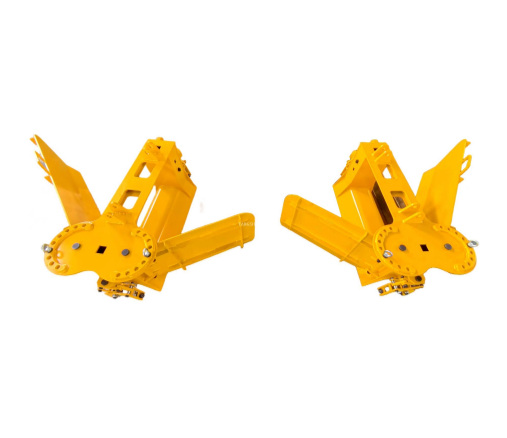
The ballast regulator uses a ballast plow to move and shape the ballast. The central ballast plow pushes the ballast between the rails. The side ballast plow shapes the shoulders of the track. This keeps the track bed flat and stops dips or bumps. The machine packs the ballast so it stays firm and strong. Operators change the plow to fit each part of the railroad.
Hansmann said ballast is very important for keeping tracks in good shape. He explained that ballast is stable, lets water pass through, is easy to fix, and can be found everywhere. When ballast settles and packs down, it can cause uneven spots. These spots are called 'inhomogeneous settlements' and lead to track problems.
Good ballast maintenance keeps the track strong and lets water drain.
When ballast settles and packs, it can make dips and crooked tracks.
Doing regular shaping and profiling stops these problems and keeps trains safe.
The ballast regulator works fast and does the job well. It shapes the ballast so the track stays straight and safe. The machine can work on many kinds of railroad lines, like busy freight routes and passenger tracks.
Ballast maintenance is important for keeping water away from the tracks. When the ballast is shaped and spread right, the ground slopes down from the tracks. This helps water move away and keeps it from building up under the track. If water stays under the track, it can make the track weak and not last as long.
The ballast plow also helps soak up shakes from trains. Tire-derived aggregates are very springy and absorb energy well. This makes the track shake less and puts less stress on the rails. It also makes the ride quieter and smoother for passengers.
A good ballast bed keeps the track steady and makes rides smoother.
Keeping the track lined up right lowers shakes and sudden moves, making passengers more comfortable.
The ballast plow is needed for safe and comfortable train rides.
Ballast regulators make the job easier by shaping and spreading ballast after tamping. They work with other machines like ballast cleaners and undercutters. This means workers do not have to do the job by hand. The machines use hydraulic controls and move themselves, which makes track maintenance faster and keeps tracks strong. Ballast regulators can work on many types of tracks, so they are good for both regular and fast trains.
Ballast regulators are very important for keeping tracks safe. These machines shape and level the ballast under the rails. This helps the track stay strong and steady. Railroads use regulators to keep tracks in good shape. Regulators also help stop trains from going off the rails.
Ballast regulators spread and level the ballast under the tracks.
This work is needed to keep tracks stable and strong.
Better track conditions make trains safer and help stop accidents.
Modern railroads use ballast regulators to do maintenance quickly. As railroads get bigger and older, regular care matters more. New regulators help railroads follow safety rules and make rides more comfortable for passengers.
A ballast regulator shapes and spreads the stone under railroad tracks. It keeps the track level and helps water drain away. This machine makes sure the railroad stays safe for trains.
Ballast supports the railroad track and spreads the weight of trains. It also helps water drain away from the rails. Good ballast keeps the railroad strong and safe.
Railroads use ballast regulators during regular maintenance. Some busy railroad lines need this work every few months. Other tracks may need it once a year.
Most ballast regulators can work on many railroad lines. They fit both freight and passenger tracks. Operators adjust the machine for each type of railroad.
Trained workers run ballast regulators on the railroad. They use controls to move the plows and brushes. Safety is always important during this work.


