
close
Choose Your Site
Global
Social Media


Views: 0 Author: Site Editor Publish Time: 2026-02-04 Origin: Site


Ballast cleaning is a crucial process for ensuring the stability, safety, and longevity of railway tracks. Ballast, the layer of crushed stones or gravel placed beneath railway tracks, plays an essential role in maintaining the track's position, providing proper drainage, and reducing wear on both the track and the train wheels. However, over time, ballast can become contaminated with debris, mud, and other particles, which impairs its ability to perform these functions. This is where ballast cleaning machines come into play, ensuring that the ballast remains clean and functional.
This article delves into the machines that are specifically designed to clean railroad tracks, explaining the role of ballast cleaning in railway maintenance and how modern machines streamline this process. We will explore the types of machinery involved, the cleaning process, and the benefits of regular ballast cleaning for rail infrastructure.
Ballast serves as the foundation for railway tracks, providing several key functions that are vital for the stability and longevity of the entire railway system. It supports the weight of the trains, helps distribute the weight evenly across the track, and ensures the track remains in place under various conditions.
Key Functions of Ballast:
Stability and Support: Ballast holds the ties (railroad sleepers) in place, preventing lateral or vertical movement and helping the track maintain its alignment.
Drainage: It allows for the effective draining of water, preventing the track from being submerged in water and maintaining track integrity.
Protection from Track Wear: By distributing the weight of the trains evenly, ballast prevents localized track damage and ensures that the track remains in good condition over time.
However, ballast can become clogged with debris, organic material, and dirt over time, which can hinder its ability to provide these essential functions. Ballast cleaning is necessary to restore the ballast's effectiveness and ensure that the track remains stable, safe, and durable.
Ballast cleaning ensures that the ballast is free from contaminants that may impede its proper functioning. When ballast becomes clogged with dirt, it loses its ability to drain water effectively, which can lead to track misalignment, poor track geometry, and increased wear on both tracks and trains. Without regular cleaning, ballast can also become compacted, reducing its effectiveness in supporting the track structure.
Poor Drainage: Contaminants in the ballast block the water flow, causing water to accumulate and weaken the track foundation.
Track Settlement: If the ballast loses its ability to distribute weight effectively, the track may settle or shift, leading to track deformation.
Increased Wear and Tear: Dirty ballast increases friction between the train wheels and the track, leading to faster deterioration of both the track and the rolling stock.
By regularly cleaning the ballast, rail operators can address these issues and ensure that the track remains safe and stable for years.
Ballast cleaning machines are specialized equipment designed to clean and maintain the ballast under railway tracks. These machines are equipped with advanced technology to excavate, screen, and re-install clean ballast in a single, efficient process. The primary goal of ballast cleaning machines is to ensure that the ballast remains clean and free from contaminants that could hinder its functionality.
Excavation: The machine lifts the contaminated ballast from under the track.
Screening: The ballast is passed through a screening system to separate clean stones from debris, dirt, and other unwanted material.
Reinstallation: Cleaned ballast is then returned to the track bed, ensuring proper alignment and drainage.
The ballast cleaning machine operates efficiently, ensuring minimal disruption to train services while effectively cleaning large sections of track.
There are several types of ballast cleaning machines, each designed for specific tasks and track conditions. The machines can vary in size and capacity, depending on the scale of the project and the location of the tracks.
Machine Type | Description | Key Features |
Track Ballast Cleaner | Designed for cleaning large sections of track at a time. | High excavation power, large screening capacity |
Small Ballast Cleaning Equipment | Used for more localized cleaning, particularly in tight areas. | Compact design, efficient in small spaces |
Ballast Regeneration System | Works by regenerating and reusing old ballast through cleaning and screening. | Reduces waste, environmentally friendly |
Mobile Ballast Cleaning Unit | Portable units for on-site cleaning of ballast in remote locations. | Portable, easy to set up, self-contained |
These machines help ensure that even the most challenging track areas are properly cleaned, whether they are in remote locations, under bridges, or in areas with high traffic.
The ballast cleaning process is carried out in multiple steps, ensuring that the track structure is restored to its optimal condition. The process involves excavation, screening, and reinstallation of clean ballast. Each step plays a critical role in maintaining track integrity and ensuring the longevity of the railway network.
Excavation: The first step involves using specialized machinery to remove the contaminated ballast from under the track. Excavators, equipped with large scoops or buckets, lift the ballast from its position beneath the rails.
Screening: Once the ballast is excavated, it passes through a series of screens designed to separate debris and contaminants from the clean gravel. These screens filter out dirt, small stones, and organic matter, ensuring only clean ballast is returned to the track.
Reinstallation: The cleaned ballast is then placed back under the track bed, filling the space between the ties. This ensures that the track has a stable foundation and is aligned correctly.
Compaction: Finally, the ballast is compacted to ensure that it remains in place and provides the necessary support to the track. This step helps prevent settlement and ensures the track stays level.
As railway networks continue to grow and evolve, ballast cleaning machines are incorporating more advanced technologies to improve their efficiency and effectiveness.
Automation: Many modern ballast cleaning machines are equipped with automated systems that can adjust operations based on real-time data. This helps improve the cleaning process and minimize the need for manual intervention.
Machine Learning: Some ballast cleaning machines use machine learning algorithms to optimize the screening process, improving the quality of the ballast returned to the track.
Robotic Systems: Robotic arms and sensors are being integrated into ballast cleaning machinery, allowing for more precise excavation and screening.
These innovations make ballast cleaning more efficient, faster, and environmentally friendly, reducing the overall impact of railway maintenance.
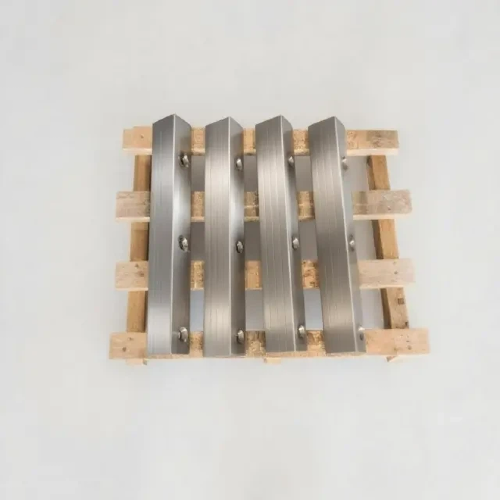
Regular ballast cleaning enhances the overall performance of the track. Clean ballast ensures proper drainage, which prevents water from accumulating under the track and weakening the foundation. This helps maintain track geometry, preventing misalignment and reducing the risk of derailments.
Prevents Track Settlement: By maintaining clean ballast, the track remains level and stable, preventing settlement or deformation.
Reduces Wear and Tear: Clean ballast reduces friction between the track and wheels, extending the lifespan of both the track and rolling stock.
Improves Track Geometry: Ballast cleaning ensures that the track remains aligned and stable, improving overall train performance.
The role of ballast cleaning in improving track safety cannot be overstated. Clean ballast helps to prevent track misalignment, reduces the risk of derailments, and ensures that trains can run smoothly at optimal speeds. With regular cleaning, track surfaces remain even, which minimizes the chance of accidents or mechanical failures.
While ballast cleaning is crucial for track maintenance, it also presents environmental challenges. The removal of old ballast often leads to waste that must be properly disposed of or recycled.
Ballast Recycling: Many modern ballast cleaning machines are designed to regenerate old ballast, which reduces the amount of waste generated.
Sustainable Practices: Using eco-friendly cleaning methods and reducing the environmental impact of ballast disposal are key strategies for maintaining sustainability in railway operations.
Costs: Ballast cleaning machines can be expensive, and frequent cleaning can incur significant costs. However, the long-term benefits of reduced track maintenance costs and improved safety outweigh these initial expenses.
Technical Difficulties: Some types of ballast, especially those that are heavily contaminated or compacted, may be harder to clean effectively. Specialized equipment may be needed to address these challenges.
To ensure that the track remains in optimal condition, ballast cleaning should be performed at regular intervals. Rail operators should assess the condition of the ballast and the track to determine when cleaning is necessary.
Safety is paramount during ballast cleaning. Operators should be trained in proper machine operation, and safety protocols must be followed at all times. Regular maintenance of ballast cleaning machines is also essential to ensure they remain in good working condition.
The future of ballast cleaning is being revolutionized by cutting-edge technological advancements, enhancing the process’s efficiency, speed, and environmental sustainability. As the demand for sustainable railway infrastructure continues to grow, ballast cleaning will remain a cornerstone of effective railway maintenance. With innovations in automation and robotics, the ballast cleaning process is evolving rapidly, ensuring not only the longevity of the tracks but also the safety of rail networks worldwide.
At Tangshan Kuntie Technology Co., Ltd., we are at the forefront of these advancements, offering state-of-the-art ballast cleaning solutions designed to meet the evolving needs of the railway industry. Our advanced machinery ensures superior performance, sustainability, and reliability in ballast cleaning operations. If you're looking for innovative, efficient, and environmentally friendly ballast cleaning equipment, we invite you to learn more about our solutions. Feel free to contact us for further information on how we can help improve your railway infrastructure.
What is the primary purpose of ballast cleaning in railroad track maintenance?
Ballast cleaning ensures proper drainage, track stability, and longevity by removing debris, contaminants, and old ballast.
How does a ballast cleaning machine work?
A ballast cleaning machine excavates contaminated ballast, screens it to remove debris, and then re-installs the clean ballast under the track, ensuring proper track alignment and drainage.
What are the types of ballast cleaning machines?
There are large-scale machines for extensive track sections, smaller portable units for localized areas, and mobile units designed for hard-to-reach locations.
How often should ballast cleaning be done?
Ballast cleaning should be done regularly, typically based on track usage, environmental factors, and the condition of the ballast, to ensure proper drainage and track stability.


