
close
Choose Your Site
Global
Social Media


Views: 0 Author: Site Editor Publish Time: 2026-01-23 Origin: Site


Half tamping picks play a pivotal role in railway maintenance by compacting ballast, ensuring track stability, and enhancing safety. As essential tools for track engineers, choosing the right material for production is critical for durability, performance, and cost-effectiveness. The material used in manufacturing half tamping picks directly impacts their lifespan, resistance to wear and corrosion, and overall efficiency in harsh railway environments.
This article explores the best materials for half tamping pick production, delving into the key characteristics that make these materials ideal for use in railway track maintenance.
Half tamping picks are specialized tools used in the maintenance of railway tracks. They are typically designed with a sharp, pointed end that helps in compacting ballast, adjusting the track's alignment, and ensuring the stability of the railway infrastructure. The term "half" refers to their semi-rounded or flat design, which is ideal for specific tasks in track maintenance where precision and strength are required.
Railway track maintenance is crucial for the smooth operation of trains and the safety of passengers. Half tamping picks are primarily used in the following ways:
Ballast Compaction: The picks are used to compact ballast around the track, ensuring the track remains firmly in place.
Track Alignment: They help align the track, ensuring its smooth and safe passage for trains.
Maintenance of Track Bed: Half tamping picks are instrumental in maintaining the integrity of the track bed, preventing shifts that could cause accidents.
These applications demand a material that can withstand high stress, environmental factors, and constant use.
When selecting materials for half tamping picks, there are several key characteristics that make a material suitable for these tools. The right material must ensure strength, durability, corrosion resistance, and cost-effectiveness.
The strength of a half tamping pick is critical for its ability to endure the intense forces involved in track maintenance. The material must not break or deform under pressure. Durable materials like high-carbon steel and tool steel ensure the pick can handle repeated impacts without losing its shape.
Railway maintenance often occurs in wet, humid, and harsh environmental conditions. Materials must resist corrosion and rust to ensure the longevity of the tools. Stainless steel is often preferred in such environments due to its excellent resistance to rust and corrosion.
While high-strength and corrosion-resistant materials are essential, they must also be cost-effective. Manufacturers seek to balance performance with production costs, ensuring that the material does not exceed the budget while providing maximum value in performance.
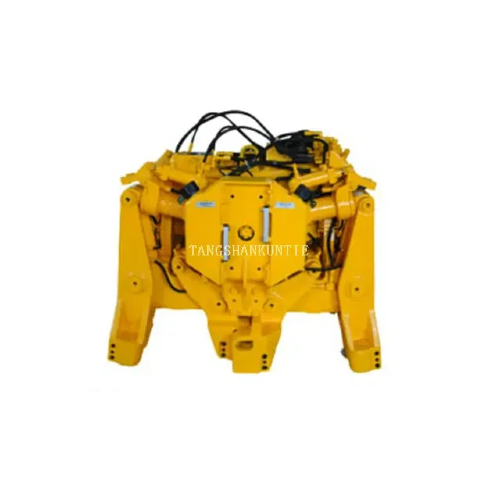
There are several materials used for the production of half tamping picks. Each material offers different advantages and disadvantages depending on the application requirements.
High-carbon steel is one of the most commonly used materials in half tamping pick production due to its excellent hardness and wear resistance. This material is highly resistant to abrasion, making it suitable for applications where frequent contact with rough ballast is expected.
Benefits:
High strength and hardness
Wear-resistant
Cost-effective compared to alloys and stainless steel
Limitations:
Susceptible to corrosion in extreme environments without additional coatings or treatments
Alloy steels are enhanced with various elements, such as chromium, vanadium, or molybdenum, to increase hardness, strength, and wear resistance. These materials are often used in half tamping picks that require higher toughness and resistance to impact.
Benefits:
Excellent resistance to wear and fatigue
Enhanced toughness for heavy-duty applications
Can be heat-treated for improved performance
Limitations:
Higher cost than standard high-carbon steel
Stainless steel is ideal for environments where rust and corrosion are significant concerns. It is often used for half tamping picks exposed to moisture or harsh environmental conditions. The material's ability to maintain its integrity in corrosive settings makes it a popular choice for railway maintenance tools.
Benefits:
Excellent corrosion resistance
Maintains strength over time even in wet environments
Low maintenance requirements
Limitations:
Higher production costs compared to other steels
Tool steel is a group of carbon and alloy steels designed for high wear resistance and toughness. These steels are often used for manufacturing heavy-duty tools like tamping picks, as they can handle high-impact and high-temperature conditions.
Benefits:
High resistance to wear and abrasion
Tough and durable under heavy stress
Ideal for high-impact environments
Limitations:
Expensive compared to high-carbon steel and alloy steel
Material | Benefits | Limitations | Ideal Use Case |
High-Carbon Steel | High strength, wear-resistant, cost-effective | Susceptible to corrosion without coatings | General use in non-corrosive environments |
Alloy Steel | Enhanced wear resistance, toughness, heat-treatable | Higher cost than high-carbon steel | Heavy-duty applications, high impact |
Stainless Steel | Excellent corrosion resistance, low maintenance | Higher production cost | High moisture environments, coastal areas, high humidity |
Tool Steel | High wear resistance, toughness, ideal for high-stress use | Expensive compared to other steels | Heavy-duty, high-temperature, and impact-resistant environments |
The production of half tamping picks involves several manufacturing processes that enhance the performance and durability of the final product. These processes include forging, heat treatment, and finishing techniques.
Forging is the process of shaping metal using compressive forces. This process helps align the grain structure of the material, increasing its strength and toughness. Forging is critical for half tamping picks as it ensures that the tool can withstand the mechanical stresses encountered during use.
Advantages of Forging:
Improved strength and toughness
Enhanced resistance to impact and wear
Uniform material structure, reducing the risk of fractures
Heat treatment is used to alter the physical properties of the material, especially its hardness and toughness. Common heat treatment processes include quenching and tempering, which enhance the wear resistance of the tamping pick while maintaining its flexibility.
Types of Heat Treatment:
Quenching: Rapid cooling of the material to harden it.
Tempering: Reheating the material to reduce brittleness while retaining strength.
Heat-treated half tamping picks offer superior performance under tough working conditions.
After the tamping picks are forged and heat-treated, they undergo finishing processes such as coating and polishing. These processes help improve the material's surface properties, including corrosion resistance and wear resistance.
Common Finishing Techniques:
Galvanization: Coating with zinc to prevent corrosion.
Polishing: Smoothing the surface to reduce friction and wear.
Coating with Anti-Corrosive Layers: Additional protective layers to ensure the tool lasts longer in harsh environments.
Choosing the right material for half tamping picks involves considering several factors that influence the performance, cost, and durability of the final product.
The operating conditions play a significant role in determining the most suitable material. For instance, tools used in areas with extreme temperatures, moisture, or abrasive materials may require stronger and more resistant materials, like stainless steel or alloy steel.
The choice of material affects the durability of half tamping picks. Materials like high-carbon steel and alloy steel offer durability, but additional coatings or heat treatments may be necessary to enhance resistance to wear. Long-lasting materials reduce the frequency of replacements, making them a cost-effective solution in the long run.
While some materials like stainless steel and tool steel offer superior performance, they come with a higher price tag. It’s essential to find a balance between performance and cost, particularly for industries with tight budgets. High-carbon steel provides a good balance of affordability and performance for many standard applications.
Selecting the right material for half tamping pick production is crucial to ensuring the efficiency, durability, and safety of railway track maintenance. At Tangshan Kuntie Technology, we understand that the material used directly impacts the longevity, performance, and cost-effectiveness of the tools. Whether it's high-carbon steel, alloy steel, stainless steel, or tool steel, each material offers distinct advantages tailored to the specific needs of your railway maintenance operations.
Our team works closely with railway companies to evaluate the operational environment, budget constraints, and required performance to recommend the most suitable material. We prioritize durability, strength, and resistance to harsh conditions, ensuring that our half tamping picks are designed to withstand the demanding environments of railway work.
If you're looking for reliable, cost-effective solutions for your railway maintenance needs, we invite you to contact us for expert advice and customized recommendations. Let us help you choose the best material to optimize your operations and enhance the safety and efficiency of your railway network.
What is the best material for half tamping picks?
The best material depends on the specific application and environment. High-carbon steel is widely used for its strength and cost-effectiveness, while stainless steel is preferred for its corrosion resistance in harsh environments.
Why is corrosion resistance important for half tamping picks?
Corrosion resistance is critical because tamping picks are often exposed to moisture, dirt, and harsh environmental conditions. Materials like stainless steel and alloy steel provide excellent protection against rust, ensuring the tools last longer.
How does heat treatment improve half tamping pick performance?
Heat treatment enhances the hardness and wear resistance of the material. It also reduces brittleness, making the picks tougher and better able to withstand the stresses and impacts encountered during maintenance.
Can alloy steel be used for all tamping pick applications?
Yes, alloy steel is ideal for high-impact applications and offers excellent toughness and wear resistance. However, the selection should depend on the specific task and the conditions in which the tamping pick will be used.


