
close
Choose Your Site
Global
Social Media


Views: 0 Author: Site Editor Publish Time: 2025-12-12 Origin: Site


Rail maintenance is a critical aspect of ensuring the safe and efficient operation of rail networks. One of the key processes involved in maintaining tracks is tamping, which helps ensure that the rails are aligned correctly and securely fixed to the track bed. Among the most important tools in this process is the tamping machine. This powerful machine plays a significant role in enhancing the durability and performance of railway tracks, which is essential for preventing accidents and ensuring smooth transportation.
A tamping machine is a specialized railway maintenance machine used to align, lift, and pack the track in position. The primary function of the tamping machine is to ensure that the track is properly positioned within the correct alignment and that the ballast surrounding the track is compacted to support the weight of trains. These machines perform several tasks, including lifting the track to the correct height, aligning the rails to ensure they are straight, and compacting the ballast to improve the stability and durability of the track.
Typically, a tamping machine consists of several key components, including:
Hydraulic tamping units: These units apply vertical pressure to the track and the surrounding ballast.
Lifting equipment: These components are responsible for raising the track to the desired height.
Track alignment units: These help ensure that the track is correctly aligned, reducing the risk of misalignment over time.
Tamping machines can be used for both routine maintenance and major track work, making them essential tools for keeping the railways in good working condition.
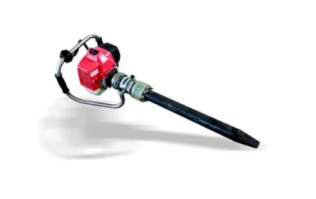
One of the primary functions of a tamping machine is to ensure that the railway tracks are properly aligned. Over time, various factors, including the weight of trains, weather changes, and environmental shifts, can cause the rails to become misaligned. This misalignment can lead to several problems, such as track deformation, creating a rough ride for passengers and contributing to increased wear on both the tracks and trains. Furthermore, track misalignment can pose significant safety risks, which, if left unaddressed, could lead to accidents or derailments.
Tamping machines play a critical role in aligning the tracks with high precision. Using a hydraulic tamping mechanism, these machines apply controlled pressure to the ballast (the material beneath the rails), pushing the rails back into their correct positions. This process ensures that the tracks are properly aligned, which is crucial for preventing issues like track buckling. Track buckling can occur when the rails are not evenly supported by the ballast, which can lead to misalignment and significant track damage over time. By aligning the track precisely, tamping machines help maintain the integrity of the railway system, improving safety and ride quality.
Another important function of tamping machines is to lift and level the tracks to the correct height. Over time, railway tracks may sink into the ballast due to the weight of passing trains, as well as the effects of rainfall or other environmental conditions. When tracks become uneven or sink, it affects the overall safety and comfort of the train ride.
To address this issue, tamping machines are equipped with lifting mechanisms that raise the track to its proper height. The machine’s hydraulic system gently lifts the track, ensuring that it is level and stable. Proper leveling is vital for maintaining the safety of the railway and preventing derailments caused by uneven tracks. Lifting the tracks also helps prevent the rails from sagging over time, which could lead to expensive repairs or the need for track replacements if the issue is not addressed early on.
By ensuring that the tracks are correctly aligned and at the right height, tamping machines reduce the risk of derailments and provide a smoother ride for passengers. Furthermore, maintaining a stable track reduces the stress placed on the trains themselves, minimizing the need for repairs and extending the lifespan of both the track and the rolling stock.
The ballast—typically made of crushed stone or gravel—serves an essential role in railway track stability. It provides a solid foundation for the tracks, ensuring that the weight of the trains is evenly distributed across the ground. However, over time, the ballast can become loose or disturbed, reducing its effectiveness in stabilizing the track.
Tamping machines help address this issue by applying hydraulic pressure to compact the ballast beneath the track. This process consolidates the ballast, making it more resistant to shifting or sinking under the heavy loads of trains. Properly compacted ballast ensures that the tracks stay stable, even under the intense stress and vibration caused by constant train traffic. This compaction also prevents track movement, which can occur if the ballast becomes loose or poorly distributed. As a result, tamping machines contribute to the long-term stability of the track and help prevent track displacement or misalignment that could lead to costly repairs or accidents.
Railway tracks are exposed to significant stress and wear as trains pass over them, especially when they carry heavy loads. The constant vibration, combined with the weight of the trains, can cause the tracks to deform, resulting in bumps, twists, and uneven surfaces. Over time, this wear can degrade the quality of the track, making it more prone to cracks, breaks, and damage. This not only affects the safety of rail operations but also leads to higher maintenance costs and downtime for repairs.
Tamping machines are essential for preventing track deformation by regularly realigning and lifting the tracks, ensuring that they remain in optimal condition. By compacting the ballast and stabilizing the track, tamping machines help to prevent the track from shifting or settling into an uneven position. Regular tamping ensures that the track stays in good condition, reducing the rate of wear and tear and extending the life of the track.
The safety of railway operations relies heavily on the condition of the track. Misaligned or poorly maintained tracks can increase the risk of accidents, derailments, and damage to both the track and the trains. Properly aligned, leveled, and compacted tracks reduce the likelihood of these issues, helping maintain a safe and stable environment for train operations.
Tamping machines play a crucial role in this by ensuring that the track remains precise and stable. By aligning the rails, lifting them to the correct height, and compacting the ballast, tamping machines help ensure that the track stays in good condition, minimizing the risk of safety hazards. This, in turn, reduces the likelihood of accidents and injuries, both for passengers and for railway workers.
There are several types of tamping machines, each designed for different purposes. The primary types of tamping machines include:
Single tamping machines are typically used for minor maintenance tasks and are smaller in size compared to other models. They are ideal for straight track sections and can be used in routine maintenance to lift, align, and compact the ballast.
Multi-tamping machines are more advanced and are used for larger projects, such as the construction of new tracks or major track rehabilitation. These machines have multiple hydraulic units and can operate on several tracks simultaneously, improving efficiency and reducing maintenance time.
Continuous tamping machines are used for high-speed operations and are designed to work continuously along long stretches of track. These machines are capable of carrying out high-volume tamping operations quickly and efficiently, making them ideal for use on high-speed railways or long-haul freight routes.
Plain tamping machines are used for standard track maintenance and are best for relatively simple tasks where high precision is not required. They are often used for tracks in areas with less complex requirements, such as rural lines or tracks that have already undergone extensive maintenance.
Tamping machines are essential tools for rail maintenance. They ensure that tracks remain level, aligned, and stable, reducing the risk of accidents, increasing the lifespan of railway infrastructure, and lowering long-term maintenance costs. By effectively compacting the ballast and lifting the tracks, tamping machines play a crucial role in ensuring the safety and efficiency of the rail network.
At Tangshan Kuntie Technology Co., Ltd., we specialize in providing high-quality rail maintenance equipment, including advanced tamping machines designed to meet the unique needs of your rail operations. Our machines help improve the reliability, stability, and performance of railways worldwide.
If you're looking for reliable, efficient, and durable tamping machines for your rail maintenance needs, we invite you to reach out to us for more information. We are committed to offering innovative solutions to help you keep your rail systems in optimal condition, ensuring smooth and safe travel for all passengers. Let us help you elevate your rail maintenance operations with the best tamping technology available.


