
close
Choose Your Site
Global
Social Media


Views: 0 Author: Site Editor Publish Time: 2025-11-10 Origin: Site


Rail maintenance is a critical aspect of ensuring the safety and efficiency of railway operations. Among the various techniques employed, rail grinding and rail milling are two prevalent methods used to maintain the integrity of railway tracks. While both processes aim to extend the lifespan of rails and improve track conditions, they differ significantly in their approach and application. This article delves into the nuances of rail grinding and rail milling, exploring their differences, advantages, and limitations. For those interested in exploring various rail maintenance equipment, such as the Rail Grinding, understanding these methods is essential.
Rail grinding is a maintenance process that involves the removal of surface irregularities and defects from the rail head using abrasive grinding stones. This method is primarily used to restore the rail profile, reduce noise, and improve the contact between the rail and train wheels. The process can be conducted using various types of grinding machines, including the Medium-sized Intelligent Rail Grinding Vehicle and the Four-Head Railway Grinding Robot.
Rail grinding is typically performed as a preventive maintenance measure, addressing minor defects before they escalate into more significant issues. The process is effective in managing rail wear, extending the rail's service life, and maintaining optimal track geometry. Additionally, rail grinding can be used to manage rail corrugation, a common problem that leads to increased noise and vibration.
There are several types of rail grinding machines, each designed for specific applications. The Double-ended Turnout Grinding Robot is particularly effective for grinding complex track layouts, such as turnouts and crossovers. On the other hand, the Medium-sized Intelligent Rail Grinding Vehicle is suitable for straight tracks and can cover large distances efficiently. These machines are equipped with advanced control systems that ensure precision and consistency in grinding operations.
The primary advantage of rail grinding is its ability to extend the life of railway tracks by preventing the progression of surface defects. By maintaining the rail profile, grinding reduces the risk of derailments and enhances the overall safety of rail operations. Additionally, rail grinding helps in reducing noise pollution, which is a significant concern in urban areas. The process also contributes to energy savings by improving the efficiency of train operations.
Rail milling is a more invasive maintenance technique compared to rail grinding. It involves the removal of a layer of the rail head using a milling cutter. This process is capable of removing deeper defects and is often used as a corrective maintenance measure. Rail milling is particularly effective in addressing severe rail damage, such as deep cracks and significant wear.
Unlike rail grinding, which only removes surface irregularities, rail milling can reshape the rail profile entirely. This capability makes it an ideal choice for tracks that have experienced substantial wear and require significant restoration. Rail milling machines are equipped with sophisticated control systems that ensure precise material removal and accurate rail profiling.
The primary advantage of rail milling is its ability to remove deep-seated defects that grinding cannot address. This capability allows for the restoration of severely worn tracks, extending their service life significantly. Rail milling also produces a smoother rail surface, which can enhance the ride quality for passengers and reduce noise levels. Additionally, the process generates less dust and debris compared to grinding, making it a more environmentally friendly option.
Despite its advantages, rail milling has some limitations. The process is more time-consuming and costly compared to rail grinding, making it less suitable for routine maintenance. Additionally, rail milling requires specialized equipment and skilled operators, which can limit its availability in certain regions. The process also involves the removal of more material from the rail head, which can reduce the overall lifespan of the rail if not managed carefully.
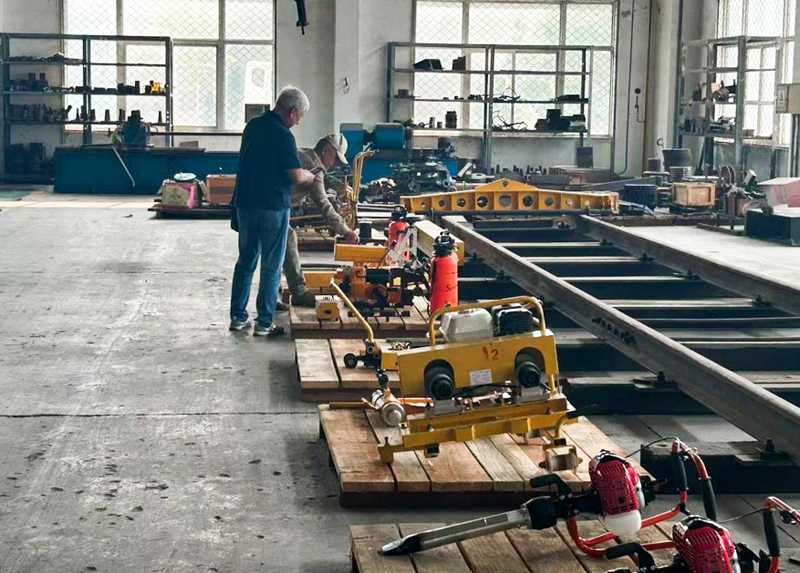
While both rail grinding and rail milling serve the purpose of maintaining railway tracks, they differ in their approach and application. Rail grinding is primarily used for preventive maintenance, addressing minor defects and maintaining the rail profile. In contrast, rail milling is a corrective maintenance technique used to address severe rail damage and reshape the rail profile entirely.
In terms of cost and time, rail grinding is generally more economical and faster than rail milling. However, rail milling offers the advantage of removing deeper defects and providing a smoother rail surface. The choice between the two methods depends on the condition of the track, the severity of defects, and the maintenance budget.
In conclusion, rail grinding and rail milling are essential techniques in the realm of rail maintenance. Each method has its unique advantages and limitations, making them suitable for different maintenance scenarios. Rail grinding is ideal for routine maintenance and managing minor defects, while rail milling is better suited for corrective maintenance and addressing severe rail damage. For those interested in exploring more about rail maintenance equipment, such as the Railway rail grinding, understanding these methods is crucial for making informed decisions about track maintenance strategies.
1. What is the primary purpose of rail grinding?
Rail grinding is primarily used to maintain the rail profile, reduce noise, and improve the contact between the rail and train wheels by removing surface irregularities and defects.
2. How does rail milling differ from rail grinding?
Rail milling is a more invasive process that removes a layer of the rail head using a milling cutter, addressing deeper defects and reshaping the rail profile entirely, unlike grinding which is more surface-focused.
3. What are the advantages of using a Medium-sized Intelligent Rail Grinding Vehicle?
This vehicle is suitable for straight tracks, covers large distances efficiently, and is equipped with advanced control systems for precision and consistency in grinding operations.
4. Why is rail milling considered more environmentally friendly than rail grinding?
Rail milling generates less dust and debris compared to grinding, making it a more environmentally friendly option.
5. What factors determine the choice between rail grinding and rail milling?
The choice depends on the condition of the track, the severity of defects, and the maintenance budget. Rail grinding is more economical and faster, while milling addresses deeper defects.
6. Can rail milling be used for routine maintenance?
Rail milling is less suitable for routine maintenance due to its time-consuming and costly nature, making it more appropriate for corrective maintenance.
7. What role does technology play in rail grinding and milling?
Advanced control systems in grinding and milling machines ensure precision, consistency, and efficiency in operations, enhancing the overall effectiveness of rail maintenance.


