
close
Choose Your Site
Global
Social Media


Views: 0 Author: Site Editor Publish Time: 2025-12-24 Origin: Site


A tamping machine is an essential piece of equipment in railway maintenance, specifically designed to enhance the compactness of ballast in the track bed. Over time, train operations cause the track structure to shift, which can lead to settling, misalignment, or uneven surfaces. These issues can compromise the stability and safety of the railway system. A hydraulic line tamping machine is used to address this problem by improving the alignment of railway tracks and ensuring the ballast remains compact and properly distributed.
In this article, we will explore the key functions of a tamping machine, its importance in railway maintenance, and how it contributes to the overall performance and safety of the railway system.
A tamping machine plays a vital role in the maintenance and repair of railway tracks. Its primary function is to compact and reposition ballast (the crushed stone or gravel that supports the track structure) to ensure that the track remains stable and properly aligned.
The operation of a tamping machine involves several key steps:
Lifting the Track: The tamping machine first lifts the railway track to its desired position. This step is crucial for correcting any track settlement that may have occurred over time due to the passage of trains.
Tamping the Ballast: Once the track is lifted, the machine uses a series of powerful hydraulic rams (or tampers) to press the ballast beneath the track ties. These tampers force the ballast particles to settle more tightly together, thereby compacting the track bed and reducing the chances of further movement or shifting.
Track Alignment: In addition to compacting the ballast, a tamping machine can also be used to adjust the alignment of the track. This is important for maintaining the straightness and proper curvature of the track to ensure smooth and safe train operations.
Releasing the Track: Once the track has been lifted, tamped, and aligned, the machine releases the track, allowing it to settle back into its newly compacted ballast bed. This process ensures that the track remains stable, reducing the likelihood of issues such as misalignment or excessive wear.
Ballast plays a crucial role in providing support and stability to railway tracks. Over time, however, the ballast can become loose or uneven due to factors like train vibrations, weather conditions, and general wear. The importance of compacting ballast lies in several areas:
When ballast is properly compacted, it helps distribute the weight of the trains evenly across the track. This prevents uneven pressure on the ties and rails, which could lead to deformation or track instability.
Compacted ballast helps to keep the track securely in place, preventing unwanted lateral or vertical shifting. This is especially important for maintaining the correct alignment of the tracks, which is essential for smooth train operations.
By ensuring the ballast remains compact and stable, a tamping machine helps reduce the frequency of track maintenance. Regularly tamped ballast minimizes the need for more extensive repairs, helping to extend the lifespan of the track and reduce overall maintenance costs.
Properly compacted ballast is essential for the safety of train operations. It ensures the track is stable, reducing the chances of accidents caused by track instability or shifting. Well-maintained ballast also helps prevent derailments caused by poor track alignment or uneven track beds.
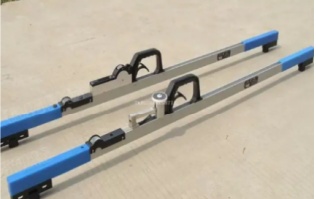
There are different types of tamping machines designed for specific applications and track conditions. These machines vary in terms of size, capacity, and features, and the choice of machine depends on the type of railway line and the required maintenance.
Hydraulic line tamping machines are among the most commonly used machines in railway maintenance. These machines use hydraulic power to lift and tamp the track, making them efficient and capable of handling high loads. Hydraulic tamping machines are often preferred for their speed, precision, and ability to work in both light and heavy-duty railway operations.
Some machines combine the function of ballast regulators and tamping machines, allowing for efficient track leveling, ballast distribution, and tamping all in one pass. These versatile machines are especially useful for maintaining tracks with irregular ballast distributions.
While not strictly a tamping machine, dynamic track stabilizers are used in conjunction with tamping machines to provide additional stabilization to the track. These machines vibrate the track and ballast to further compact the ballast and settle the track into position, ensuring even distribution.
The use of a tamping machine offers several significant benefits for railway companies, operators, and maintenance crews.
By regularly tamping the ballast, the track remains properly aligned, which contributes to a smoother and safer ride for passengers and freight. It also improves the overall quality of the track bed, which is essential for maintaining the track’s integrity over time.
Tamping machines can carry out track maintenance much more quickly and efficiently than manual methods. They can handle large areas of track in a relatively short amount of time, reducing downtime and allowing trains to return to service faster.
Continuous use of tamping machines helps minimize the effects of track settlement and deformation. By ensuring that the ballast remains compact and stable, these machines prevent further shifts in the track that could lead to expensive repairs or accidents.
Although tamping machines represent an upfront investment, they save significant costs in the long run by preventing more extensive and costly track repairs. Regular use of a tamping machine increases the lifespan of the track and reduces the need for emergency repairs.
The frequency of tamping depends on several factors, including the type of railway line, the amount of train traffic, and the weather conditions. High-speed or heavily trafficked railways may require more frequent tamping, while less active lines may need maintenance less often.
General Guidelines: It’s typically recommended that ballast tamping be performed every 1-2 years for tracks with heavy traffic, but the exact timeline will depend on specific conditions.
Weather and Climate Considerations: Extreme weather conditions, such as heavy rainfall or freezing temperatures, can affect ballast compaction. In areas with severe weather, more frequent tamping may be necessary.
A tamping machine is an indispensable tool in maintaining the stability, alignment, and safety of railway tracks. By ensuring that the ballast remains properly compacted, tamping machines help prevent track shifting, reduce maintenance costs, and improve the overall safety of the railway system.
At Tangshan Kuntie Technology Co., Ltd., we specialize in providing high-quality hydraulic line tamping machines that are designed for efficiency, reliability, and durability. Our machines are engineered to meet the needs of various railway systems, helping operators maintain smooth, stable tracks that ensure the safety of both passengers and freight. If you're looking for a reliable tamping machine for your railway maintenance needs, our team is here to offer expert guidance and support.
Contact us today to learn more about how our tamping machines can improve the efficiency and reliability of your railway operations.
Q1: How does a tamping machine improve track stability?
A1: A tamping machine compresses the ballast beneath the track, ensuring the track bed is stable and the track remains properly aligned. This reduces the chances of misalignment, settling, or track deformation, improving overall stability.
Q2: What types of tracks benefit most from tamping machines?
A2: Tamping machines are most beneficial for high-speed, heavily trafficked railway lines where constant adjustments to track alignment are necessary. However, they can be used effectively on all types of railway tracks to ensure stability and safety.
Q3: Can tamping machines be used on all types of railway systems?
A3: Yes, tamping machines can be used on both standard gauge and narrow gauge tracks, and they are versatile enough to handle different types of track systems. However, the specifications of the machine may vary depending on the track type.
Q4: How often should a tamping machine be used for maintenance?
A4: The frequency of tamping depends on the track’s condition, traffic volume, and environmental factors. In general, tamping should be performed every 1-2 years for heavily trafficked lines, but this may vary depending on the specific needs of the track.
Q5: Can tamping machines fix all types of track issues?
A5: While tamping machines are highly effective at improving track alignment and ballast compaction, they may not fix issues such as severe structural damage. Regular inspection and timely repairs are necessary for maintaining the track’s integrity.


