
close
Choose Your Site
Global
Social Media


Views: 0 Author: Site Editor Publish Time: 2026-03-05 Origin: Site


The ballast regulator is the unsung hero of railway maintenance, performing the critical final step of shaping and profiling the track ballast. This machine ensures the track structure has the correct shoulder slope, removes excess ballast from ties, and ultimately guarantees proper drainage—a cornerstone of long-term track stability. Neglecting its maintenance is a costly mistake. Poor upkeep leads directly to track instability, accelerated wear on expensive components, and the kind of sudden, expensive downtime that throws schedules into chaos. This guide offers a comprehensive roadmap for fleet managers and operators. You will learn how to maximize the service life of your ballast regulator through proactive care, smart component management, and strategic partnerships with manufacturers.
Hydraulic Health is Paramount: 80% of mechanical failures stem from contaminated fluid or pressure imbalances.
Wear Part Rotation: Timely replacement of broom elements and wing blades prevents structural damage to the mainframe.
Manufacturer Support: Choosing a ballast regulator machine manufacturer with robust parts availability is a long-term ROI driver.
Data-Driven Intervals: Transitioning from reactive "break-fix" cycles to predictive, hour-based maintenance.
Viewing maintenance through a Total Cost of Ownership (TCO) lens reveals a stark reality. The marginal cost of daily inspections, lubrication, and minor adjustments is trivial compared to the capital expenditure of a premature machine replacement. When a regulator fails unexpectedly, the costs cascade far beyond the simple repair bill. You face lost work windows, potential track damage, and the high price of emergency parts shipping and labor. A proactive maintenance culture turns these potential liabilities into predictable operational expenses.
The impact on track quality is profound. A well-maintained regulator distributes ballast with precision. This ensures each tie is properly supported, reducing stress on both the ties and the rail itself. Proper ballast profiling prevents water from pooling, which is a leading cause of subgrade degradation and fouling. Over time, this meticulous care extends the life of the entire track structure, delaying the need for more invasive and expensive rehabilitation projects. It directly contributes to smoother, safer train operations.
Finally, consider operational availability. Railroad work windows are notoriously tight. A "dead-on-track" scenario with a failed regulator can derail an entire night's or week's worth of planned maintenance. Proactive care ensures the machine is ready to perform when you need it most. This reliability is not a luxury; it is a fundamental requirement for efficient railway operations. Maximizing uptime is the ultimate ROI of a robust maintenance program.
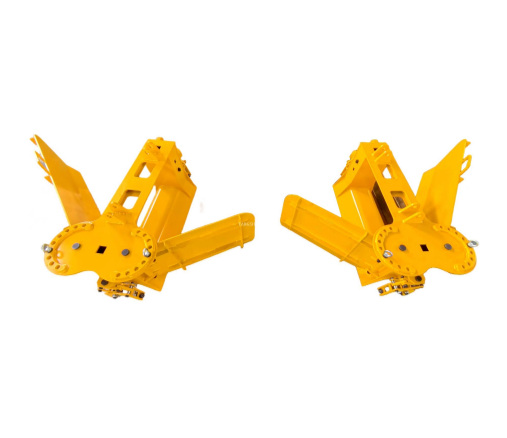
A structured approach to maintenance, segmented into daily, weekly, and major service intervals, forms the backbone of a reliable fleet. This tiered system ensures that small issues are caught before they become major failures, transforming your maintenance strategy from reactive to predictive.
Before every shift, the operator should conduct a thorough walk-around inspection. This is the first line of defense against unexpected downtime. These checks should be standardized and logged.
Hydraulic Fluid and Leaks: Check the hydraulic fluid level in the reservoir. Look for any signs of leaks, paying close attention to hoses, fittings, and the seals on wing and plow cylinders. A small drip can quickly escalate into a major fluid loss and system failure.
Broom Box and Elements: Visually inspect the broom box for structural integrity. Check the density and condition of the rubber or synthetic broom elements. Missing or severely worn elements reduce sweeping efficiency and can put undue stress on the broom's drive system.
Brake System and Safety: Confirm the functionality of the machine's braking system. Test all safety lighting, including headlights, taillights, and beacons, to ensure visibility and compliance with worksite safety standards.
Once a week, the ballast regulator machine requires more detailed attention to its mechanical systems. These tasks often involve adjustments and lubrication to keep moving parts operating smoothly.
Greasing Pivot Points: Apply grease to all designated zerk fittings on the plow, side wings, and any other articulation points. Proper lubrication is essential to prevent seizure and premature wear of pins and bushings.
Drive Chain and Belt Tension: Inspect the tension on all drive chains and belts, particularly for the broom drive system. Incorrect tension—either too loose or too tight—can cause slippage, accelerated wear, and potential component failure.
Cooling Package Cleaning: The engine's radiator and hydraulic cooler can become clogged with dust and ballast debris. Use compressed air to blow out the fins, ensuring optimal airflow to prevent the engine and hydraulic system from overheating.
Major service intervals are dictated by the manufacturer's recommendations, typically occurring every 500 or 1000 operating hours. These are deep dives into the machine's core systems, often requiring a qualified technician.
Fluid Analysis and Filters: Replace all hydraulic, engine oil, and fuel filters. Take a sample of the hydraulic oil for laboratory analysis. This can identify contaminants or fluid breakdown, providing an early warning of internal component wear.
Engine and Fuel System: Perform scheduled engine maintenance, such as valve adjustments and fuel system calibration. This ensures the engine operates at peak efficiency, maximizing power output while minimizing fuel consumption.
Structural NDT (Non-Destructive Testing): For machines operating in high-stress environments, consider performing NDT on critical frame welds, such as those on the main chassis and wing mounts. This can identify microscopic stress fractures before they lead to a catastrophic structural failure.
While the entire machine requires attention, three systems bear the brunt of the workload and are most susceptible to wear: the broom, the wings and plow, and the hydraulic system.
The broom is the finishing tool of the regulator. To extend the life of its elements, operators should avoid excessive down-pressure and high rotational speeds when not necessary. Regularly check for and remove any wires or debris wrapped around the broom core, as this can damage elements and seals. The "point of no return" for wear is when elements are so short they no longer effectively sweep ballast from the ties or when large gaps appear due to missing elements. Running a broom past this point drastically reduces performance and risks damaging the broom core itself.
The wings and plow do the heavy lifting of moving and shaping ballast. Sacrificial wear plates are designed to absorb this abrasion. They must be monitored closely and replaced before wear reaches the structural components of the wing or plow. A common mistake is failing to ensure the hydraulic cylinders for the wings are synchronized. If one wing extends or retracts slower than the other, it can cause "wing drag," leading to uneven track profiles and putting torsional stress on the machine's frame.
The hydraulic system is the machine's muscle. Maintaining correct pressure settings (PSI) is non-negotiable. Pressures set too high can blow out seals and damage pumps, while pressures set too low will result in sluggish performance and an inability to move heavy loads of ballast. Pump cavitation, often caused by fluid contamination or air entering the system, can destroy a hydraulic pump in minutes. This is why filter changes and clean fluid handling practices are paramount. Even microscopic particles can score cylinder walls and clog delicate valve components, leading to expensive and complex repairs.
The long-term success of your equipment investment depends heavily on the manufacturer. When selecting a new machine, evaluate the ballast regulator machine manufacturer not just on performance specifications, but on their commitment to serviceability and support.
A well-designed machine makes maintenance easy. Before purchasing, assess the physical layout. Are hydraulic filters, grease points, and engine service ports easily accessible to field crews? Or do they require special tools and significant disassembly? A machine designed with maintenance in mind saves countless hours of labor over its lifespan and encourages technicians to perform regular checks rather than skip them due to difficulty.
Downtime is often dictated by parts availability. A critical decision factor is the manufacturer's parts ecosystem. How deep is their inventory? How close are their distribution centers to your areas of operation? A manufacturer with a robust and responsive parts network can turn a week-long outage into a single-day repair. This is a crucial driver of long-term return on investment.
High-quality technical support is invaluable. Look for a manufacturer that provides comprehensive schematics, detailed troubleshooting guides, and clear maintenance manuals. Modern support may even include access to digital twin models or augmented reality tools that help technicians diagnose problems remotely. Clear, accurate documentation empowers your own team to solve problems quickly without always needing to call in an external service technician.
Many mechanical failures can be traced back to operator error. A manufacturer that offers thorough operator training is investing in the longevity of their equipment. This training should cover not only basic operation but also proper shutdown procedures, daily inspection techniques, and how to identify early warning signs of mechanical trouble. Reducing "user-error" induced wear is one of the most effective ways to lower your TCO.
A maintenance plan is only effective if it is implemented consistently. Several real-world factors can influence its success.
It's one thing to have a checklist; it's another to ensure it's being followed diligently. Transitioning from paper logs to digital maintenance logs can greatly improve accountability. Digital systems create a time-stamped, unalterable record of when checks were performed. This helps ensure that inspections are not just "checked off" at the end of a shift but are actively completed, providing a true picture of the machine's health.
Your maintenance schedule should not be rigid. It must adapt to the operating environment.
Extreme Heat: In hot climates, hydraulic fluid and engine oil break down faster. You may need to shorten fluid change intervals and be extra vigilant about cleaning cooling packages.
Extreme Cold: In cold weather, fluids become more viscous, putting extra strain on hydraulic pumps during startup. Engine block heaters and appropriate hydraulic fluid grades are essential.
High Moisture/Fouled Ballast: Operating in areas with fouled or muddy ballast increases the rate of wear on broom elements and can clog components faster. This requires more frequent inspections and cleaning.
At some point, every machine reaches the end of its optimal service life. The decision to rebuild or replace is a complex financial calculation. You must assess factors like metal fatigue in the main frame and the obsolescence of electronic control systems. A mid-life factory overhaul can be a cost-effective way to extend a machine's life, but it may not provide the benefits of modern technology found in a new unit.
| Factor | Mid-Life Rebuild | New Machine Purchase |
|---|---|---|
| Upfront Cost | Lower | Higher (Capital Expenditure) |
| Downtime | Significant during rebuild process | Minimal (during delivery/commissioning) |
| Technology | Limited to original frame; some systems can be upgraded | Latest efficiency, safety, and diagnostic features |
| Warranty | Typically on rebuilt components only | Comprehensive new machine warranty |
| Long-Term ROI | Good for extending asset life on a budget | Higher potential ROI through improved productivity and fuel efficiency |
Achieving maximum longevity and performance from your ballast regulator fleet boils down to three core principles: consistent and proper lubrication, uncompromising hydraulic system cleanliness, and diligent operator care. These elements work together to form a culture of reliability. A well-maintained machine is a productive and safe machine, delivering value year after year. Ultimately, a ballast regulator is only as dependable as the maintenance culture that supports it.
Your next steps should be data-driven. Begin by reviewing your current fleet's uptime and maintenance cost data to identify problem areas. Following that, audit your manufacturer service agreements and parts support systems to ensure they align with your operational needs. This proactive approach will pay dividends in machine availability and reduced ownership costs.
A: There is no fixed hourly interval. Replacement frequency depends on the abrasiveness of the ballast and the operator's technique. The key is to monitor wear patterns. Replace elements when they are too short to effectively dress the track shoulder or when there are significant gaps. Running a worn-out broom is inefficient and can damage the drive system.
A: Contamination is the number one cause. Dirt, water, or metal particles entering the hydraulic fluid can destroy pumps, score cylinders, and clog valves. The second leading cause is excessive heat, which breaks down the fluid's lubricating properties. Regular filter changes and keeping the hydraulic cooler clean are the best preventative measures.
A: Yes, in many cases. Manufacturers and third-party integrators often offer upgrade kits for control systems, such as converting from manual levers to joystick controls or adding automated profiling systems. The feasibility depends on the machine's base architecture and electronics. It's a great way to enhance the productivity of an older, mechanically sound frame.
A: Look beyond the duration. Pay close attention to what is excluded, as wear parts like broom elements and plow blades are almost never covered. More importantly, evaluate the warranty's service response time guarantees. A long warranty is less valuable if it takes weeks to get a technician on-site for a critical repair.


